• Skip to main content
  • Skip to primary sidebar
  • Skip to footer
  • Home
  • About
  • Gowling WLG
  • Legal information
  • Privacy statement
  • Cookie Policy
  • Home
  • About
  • Posts
  • Blogs
    • B2022
    • The IP Blog
    • Public Law & Regulation
    • AI
    • The Unified Patents Court

LoupedIn

How will the UK plastic ban affect the food and drink industry?

June 27, 2018, Gowling WLG

How will the UK plastic ban affect the food and drink industry?

The UK Government recently announced its plans to ban plastic straws and other single-use plastics from sale next year in a bid to tackle the growing issues that they are causing in seas and rivers.

The announcement follows the UK’s ban of microbeads at the beginning of the year and the introduction of the plastic bag charge in retail. Since introducing the plastic bag charge, the Department for Environment, Food and Rural Affairs (Defra) has reported that 9 billion fewer plastic bags have been distributed.

The government is set to work with industry to develop new initiatives to overcome the problem. Michael Gove, the Defra secretary, stated: “It is only through government, business and the public working together that we will protect our environment for the next generation”.

Businesses are now beginning to address the issue, with several restaurant chains now stating that they are set to move away from plastic straws and look at paper alternatives. Businesses in food, drink and retail industries are set to be the most affected by the changes in legislation regarding single-use plastics due to their heavy use in packaging.

Why are single-use plastics being banned?

Single-use plastics are items that are used only once before they are thrown away or recycled. Items often include things like plastic bags, coffee stirrers, food packaging and, of course, plastic straws.

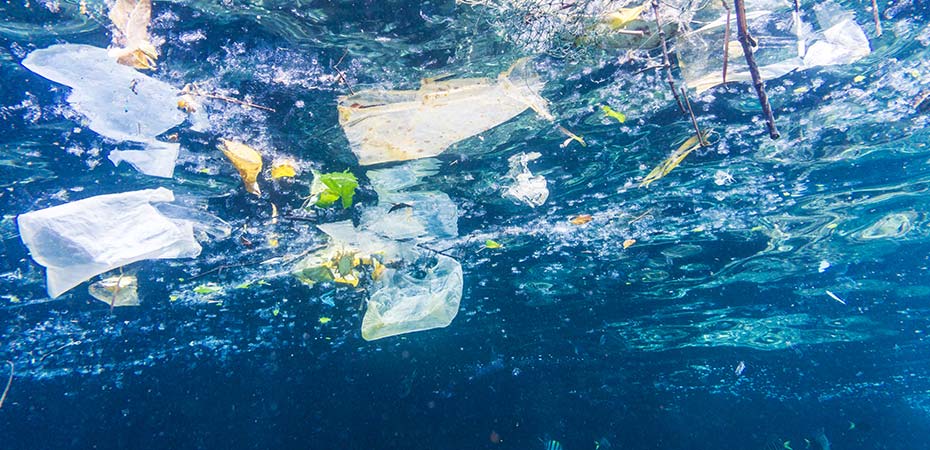
Since the 1950s, 8.3 billion tonnes of plastic have been produced. Recycling systems can no longer keep up with the demand for single-use plastic and the escalated leakage into the environment has led to the prediction that, without remedial action, by 2050 there will be more plastic in our oceans than fish.

Plastic fibres are beginning to be found in the stomachs of marine life and even in tap water. Plastic waste has become hugely damaging to both land and sea.

How would a ban on plastics affect the food and drink industry?

When we think of single-use plastics, the first things that will come to mind will be the items that we throw away regularly, such as food containers and water bottles.

With the increasing focus on the damage that plastics are causing to our environment, we are likely to see changes in the future about how food and drink are packaged. Businesses operating in this industry will need to consider how to adapt to meet these changes and how it will affect their supply chain.

Initiatives such as the “plastic-free” trust mark highlight how the mindset of the food and drink industry is beginning to change. The trust mark is awarded to food and drink products that are packaged without plastic. The concept is that it will help to advise consumers who desire to make ethical choices with their purchases. The trust mark has already been adopted by the supermarket chain Iceland as well as other retailers.

As campaigns against single-use plastic continue and the government enters into further consultations regarding the matter, it is likely that consumers will also begin to be more environmentally conscious about their purchases. Food and drink brands will need to begin to take this into account both with their packaging and their marketing to ensure that they are still relevant to their audiences. A growing number of zero-waste shops are entering the market and beginning to compete with the established brands.

In terms of packaging, the supply chain to the food and drink industry will also need to play a part and adapt to any future changes to UK legislation. If plastic straws are to be banned, then manufacturers will need to consider more environmentally friendly alternatives such as paper for single-use instances and metal for long-term use at home.

Some businesses in the food and drink industry are beginning to implement innovative alternatives to single-use plastic and are putting incentives in place for their customers to get involved. For example, coffee shop chains are increasingly beginning to implement re-fillable cup discount schemes to encourage customers to not continuously have single-use cups.

How can the food and drink industry ensure they are complying with environmental legislation?

Businesses operating in the food and drink sector are likely to see future legislative changes that will affect how they package and distribute their goods. Forward-thinking companies should begin looking at their use of plastics and understand where changes could be made so that they are not damaging the environment and be able to still serve their customers.

The plan to ban plastic straws will have an impact on how many businesses in the food, drink and retail industries provide their goods and services. Our Insights and Resources are recommended for businesses wanting to keep up-to-date with the latest in UK legislation. We will update you regularly with information from our legal experts in the food and beverages sector, as well as other sectors and services you may be interested in.

About the author(s)

Gowling WLG
See recent postsBlog biography

Gowling WLG is an international law firm operating across an array of different sectors and services. Our LoupedIn blog aims to give readers industry insight, technical knowledge and thoughtful observations on the legal landscape and beyond.

  • Gowling WLG
    Gowling WLG at MIPIM 2026
  • Gowling WLG
    South Asian Heritage Month: Sharing our stories, celebrating our roots
  • Gowling WLG
    Why good culture can’t wait: six things legal leaders can do now
  • Gowling WLG
    Ensuring the emerging geography of AI doesn’t become a TRAIN-wreck
  • Gowling WLG
    Celebrating Black History Month: Stories from our community
  • Gowling WLG
    No revocation carve-out and related actions – 2nd UPC decision on the merits
  • Gowling WLG
    The first UPC decision on the merits is here
  • Gowling WLG
    Milan goes live! 
  • Gowling WLG
    Celebrating Volunteers’ Week at Gowling WLG
  • Gowling WLG
    Gowling WLG at UKREiiF 2024
  • Gowling WLG
    The AI Act and IP
  • Gowling WLG
    The USPTO’s Guidance on AI-Assisted Inventions
  • Gowling WLG
    Gowling WLG at MIPIM 2024
  • Gowling WLG
    Text and data mining – A UK Update
  • Gowling WLG
    COP28 – The role of youth, education and skills in driving climate goals
  • Gowling WLG
    The US looks at AI and copyright
  • Gowling WLG
    The EU AI Act and IP
  • Gowling WLG
    London Tech Week 2023: Health tech and innovation
  • Gowling WLG
    Everything you always wanted to know about the UPC but were afraid to ask
  • Gowling WLG
    A new dawn for pharmaceutical legislation in Europe?
  • Gowling WLG
    Unified Patent Court to start on 1 June 2023 as Germany ratifies
  • Gowling WLG
    What I have learned from my solicitor apprenticeship
  • Gowling WLG
    Copyright in the outputs of generative AI
  • Gowling WLG
    AI and copyright in 2022
  • Gowling WLG
    AI patentability and sufficiency: new UK guidance
  • Gowling WLG
    Birmingham… the City of a Thousand Sounds
  • Gowling WLG
    Let’s Go Forward Bab
  • Gowling WLG
    What’s netball, eh?
  • Gowling WLG
    How am ya bab: welcoming the world for Birmingham’s finest hour
  • Gowling WLG
    Investigating self-driving safety – what about IP?
  • Gowling WLG
    Artificial Intelligence in France
  • Gowling WLG
    Artificial Intelligence in the UK
  • Gowling WLG
    EU-based manufacturers and distributors wise to consider PI strategies in light of CJEU’s judgment
  • Gowling WLG
    The UK’s National AI Strategy: governance, regulation and law
  • Gowling WLG
    Best practice for patenting AI
  • Gowling WLG
    The Birmingham 2022 Festival – A Celebration of Creativity Across the West Midlands
  • Gowling WLG
    Will the UPC ban UK patent attorneys from representing clients before it?
  • Gowling WLG
    Everything looks set for the Unified Patents Court to go ahead this year but…. Are we really out of the woods yet?
  • Gowling WLG
    Unified Patents Court – News Update
  • Gowling WLG
    What’s next? A digital transformation roadmap
  • Gowling WLG
    Copyright vs. “fake news” – Deletion of user contributions from a copyright point of view
  • Gowling WLG
    The new Copyright Service Provider Act in Germany
  • Gowling WLG
    Life as a secondee at the Birmingham 2022 Commonwealth Games
  • Gowling WLG
    COP26: Latest updates from the climate change conference
  • Gowling WLG
    Practicable tips for trade secret protection during litigation in Germany
  • Gowling WLG
    AI and IP – what is your strategy?
  • Gowling WLG
    ESG: 5 reasons HR plays a key role
  • Gowling WLG
    Stuart Russell on AI Regulation
  • Gowling WLG
    The Unified Patent Court’s Protocol on Privileges and Immunities comes into force
  • Gowling WLG
    AI Assurance
  • Gowling WLG
    Actuaries tackle the ethics of AI and data science
  • Gowling WLG
    Will the US drive greater IP protection for AI?
  • Gowling WLG
    New government support for UK FinTech
  • Gowling WLG
    Working at a law firm: My experience as a business development student
  • Gowling WLG
    In defence of the workplace
  • Gowling WLG
    European Data Protection Board issues draft guidelines for data breach notifications
  • Gowling WLG
    Africa Investment Conference 2021 – key takeaways
  • Gowling WLG
    Patents in 2020 – The year in review
  • Gowling WLG
    The National Digital Twin Legal Implications
  • Gowling WLG
    Pension Schemes Act 2021 and increased regulatory powers
  • Gowling WLG
    Pension Schemes Act 2021 and statutory right to transfer
  • Gowling WLG
    UK House of Lords warns against complacency towards AI
  • Gowling WLG
    UK competition authority publishes research on harm by algorithm
  • Gowling WLG
    UKIPO patent guidance updated for DABUS judgment
  • Gowling WLG
    EU report on AI-assisted creativity and invention
  • Gowling WLG
    AI and trade: the view from Europe
  • Gowling WLG
    Legal training contracts: A trainee’s perspective
  • Gowling WLG
    UK CDEI publishes review of bias in algorithmic decision-making
  • Gowling WLG
    Apply for UK Government funding for robotic AI by 20 November 2020
  • Gowling WLG
    The UKIPO’s AI-powered trade mark tool enters beta testing
  • Gowling WLG
    New UK laws to curb illegal deforestation in supply chains
  • Gowling WLG
    New guidance on AI and data protection from the ICO
  • Gowling WLG
    A conversation on the future regulation of AI
  • Gowling WLG
    New EC guidance on “trustworthy” artificial intelligence
  • Gowling WLG
    Guidelines for government procurement of AI in Canada
  • Gowling WLG
    Defining artificial intelligence
  • Gowling WLG
    WIPO’s revised paper on IP policy and AI
  • Gowling WLG
    The “Gee-Pay” – The Global Partnership on Artificial Intelligence
  • Gowling WLG
    The UK takes the temperature of AI opportunities, risks and governance
  • Gowling WLG
    UK guidance on explaining AI for GDPR compliance
  • Gowling WLG
    AI Procurement Toolkit published by the World Economic Forum
  • Gowling WLG
    The Law Commission’s second consultation on autonomous vehicles
  • Gowling WLG
    Could standards for Artificial General Intelligence save humanity?
  • Gowling WLG
    Artificial intelligence in healthcare: NHSX AI Lab publishes a buyer’s checklist
  • Gowling WLG
    How should we regulate online targeting?
  • Gowling WLG
    AI in aviation: regulating autonomous flights
  • Gowling WLG
    The UKIPO launches AI-powered assessments of trademark applications
  • Gowling WLG
    The UKIPO investigates AI-powered prior art searches
  • Gowling WLG
    USPTO denies patent application for invention by AI
  • Gowling WLG
    We need to talk about whistleblowing
  • Gowling WLG
    What is the Customs Union?
  • Gowling WLG
    Autonomous vehicles: are ethical guidelines needed?
  • Gowling WLG
    5G: How will businesses benefit?
  • Gowling WLG
    Using blockchain in advertising
  • Gowling WLG
    What digital infrastructure is needed for connected and autonomous vehicles (CAVS)?
  • Gowling WLG
    Protecting designs for multigenerational living
  • Gowling WLG
    Five ways the Internet has changed business
  • Gowling WLG
    Protectionism and tech’s raw materials
  • Gowling WLG
    Mental health at work: How to support your employees
  • Gowling WLG
    Electric vehicles (EVs): What are the indirect effects?
  • Gowling WLG
    Urban mobility: planning for the future
  • Gowling WLG
    What are the risks associated with driverless cars?
  • Gowling WLG
    What are a business’ digital risks?
  • Gowling WLG
    How will infrastructure need to change for connected and autonomous vehicles (CAVs)?
  • Gowling WLG
    Current office space trends
  • Gowling WLG
    Drafting leasing agreements for tenants in the life sciences sector
  • Gowling WLG
    How does tax work in the UK?
  • Gowling WLG
    How 3D printing is bringing modern housing to life
  • Gowling WLG
    Using blockchain for land registry
  • Gowling WLG
    What are the risks and benefits of cloud services?
  • Gowling WLG
    A guide to doing business in the UK
  • Gowling WLG
    Using discretionary powers as a pension trustee
  • Gowling WLG
    How to avoid copyright infringement online
  • Gowling WLG
    A guide to how patent law works
  • Gowling WLG
    Jaguar: the heart of UK Automotive
  • Gowling WLG
    Employees, Corporate Governance and a Grand Day Out

Gowling WLG

Gowling WLG is an international law firm operating across an array of different sectors and services. Our LoupedIn blog aims to give readers industry insight, technical knowledge and thoughtful observations on the legal landscape and beyond.

Filed Under: Opinion Tagged With: Food and drink

Views expressed in this blog do not necessarily reflect those of Gowling WLG.

NOT LEGAL ADVICE. Information made available on this website in any form is for information purposes only. It is not, and should not be taken as, legal advice. You should not rely on, or take or fail to take any action based upon this information. Never disregard professional legal advice or delay in seeking legal advice because of something you have read on this website. Gowling WLG professionals will be pleased to discuss resolutions to specific legal concerns you may have.

Primary Sidebar

Recent Posts

  • Good news / BAD news – March 2026
  • Disrupt, Safeguard, Respond – UK sets new Fraud Strategy
  • Gowling WLG at MIPIM 2026

Tags

Artificial Intelligence (AI) (65) Autonomous vehicles (11) b2022 (19) Birmingham 2022 (8) Birmingham 2022 Commonwealth Games (15) Brexit (23) Climate change (18) Collective defined contribution (6) COP26 (11) Copyright (11) COVID-19 (23) Cyber security (7) Data protection (8) Defined contribution (7) Dispute Resolution (15) Employment (15) employment law (14) Environment (19) Environmental Societal Governance (9) ESG (56) ESG and pensions (13) General Election 2024 and pensions (8) Intellectual Property (90) IP (12) Life sciences (9) litigation funding (9) net zero (6) Patents (41) Pensions (54) Pension Schemes Act 2021 (11) Pensions dashboards (7) Pensions in 2022 (10) Pensions law (45) Procurement (7) Public Law & Regulation (39) Real Estate (29) Retail (8) sustainability (22) Tech (58) The Week In Pensions (11) Trademarks (16) UK (15) unified patents court (9) UPC (40) Week in HR (8)

Categories

Archives

Gowling WLG is an international law firm comprising the members of Gowling WLG International Limited, an English Company Limited by Guarantee, and their respective affiliates. Each member and affiliate is an autonomous and independent entity. Gowling WLG International Limited promotes, facilitates and co-ordinates the activities of its members but does not itself provide services to clients. Our structure is explained in more detail on our Legal Information page.

Footer

  • Home
  • About
  • Gowling WLG
  • Legal information
  • Privacy statement
  • Cookie Policy

© 2026 Gowling WLG